When New Jersey legalized cannabis in 2021, the new law prioritized reinvestment in communities most harmed by past criminalization. And yet, years later, we are still pushing lawmakers to ensure the law lives up to its promise.
Our state has made progress, but New Jersey must do more to make an equitable future a reality.
Drug policies in the United States have always been about targeting communities of color and using criminalization as a tool to systematically deny people their rights. The criminalization of cannabis disproportionately affects Black Americans and has led to far too many unjust incarcerations, which devastate communities and waste critical resources that could be used for harm reduction programs.
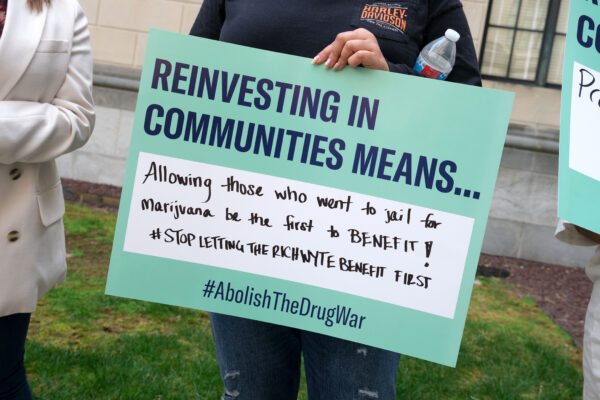
Upon legalizing cannabis, New Jersey created two built-in funding mechanisms for community reinvestment, promising almost 60 percent of cannabis sales tax revenue and 100 percent of the Social Equity Excise Fee, or SEEF, to community programs. These mechanisms should be raising tens of millions of dollars to fund community programs and financially benefit those most harmed by cannabis criminalization.
But in December 2024, the government commission in charge of regulating the fee set the SEEF at an amount 12 times lower than what the regulations initially set, leaving millions of dollars on the table that should have been funding social equity programs in Black and Latinx communities. The rate remains the same for 2026, based on a December 2025 vote.
When New Jerseyans voted to legalize cannabis, they made it clear they wanted racial and social justice to be centered in New Jersey’s legalization and decriminalization laws. Lawmakers must honor that promise – including providing meaningful opportunities for the public to weigh in on the implementation of these policies.
New Jersey can lead the way in making sure that the communities most harmed by marijuana criminalization benefit from revenue generated by cannabis sales. The ACLU of New Jersey is calling on Gov. Sherill and the Legislature to allocate funding in the FY27 budget specifically for reinvesting in communities harmed by marijuana criminalization, ensuring community reinvestment dollars from cannabis revenue are used to fund social services, educational support, harm reduction, housing and food access, economic development, and other priorities that help communities grow and thrive.
We also are calling for the creation of an inclusive and participatory process to seek input from community members about how the revenue should be used, as well as an online dashboard to share where funds are ultimately allocated and spent.
We know there is still more to do to further policies and programs that promote public health and racial equity. This is why we celebrate 4/20 every year: to reignite attention to the fight for cannabis justice and to ensure New Jersey shifts its approach to drugs from criminalization to public health. At the ACLU-NJ, we’re still fighting for justice.
Learn more about your rights and cannabis legalization in New Jersey here.